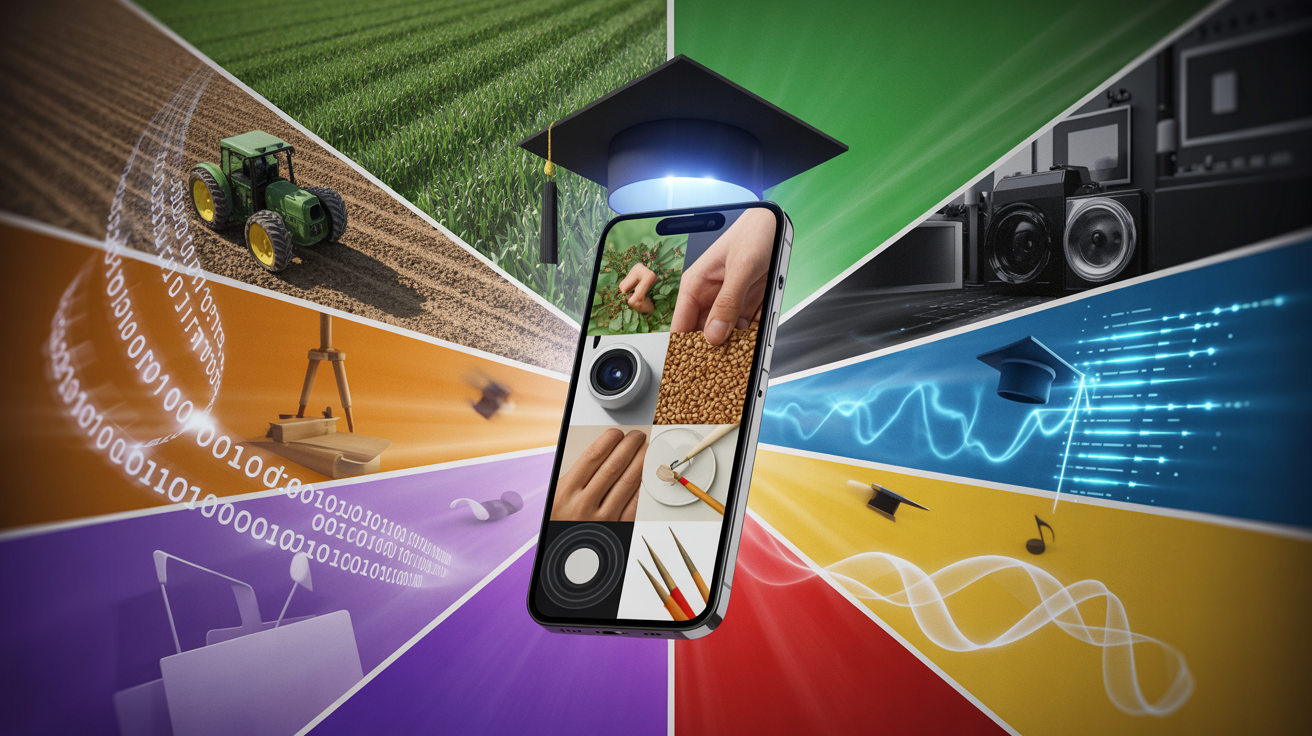
In today’s fast-paced world unconventional learning platforms are transforming education, moving it beyond classrooms, textbooks, or even traditional online courses., offering people the chance to learn almost anything—from farming techniques to professional photography—using nothing more than a smartphone. This shift is redefining how we acquire knowledge and skills, making education more accessible, flexible, and personalized than ever before.(https://bazadseducation.com/wp-admin/post.php?post=3430&action=edit)
Why Unconventional Learning Platforms Are Changing the Game
The digital revolution has made knowledge available at our fingertips. While formal education has its benefits, it often comes with high costs, rigid structures, and outdated curriculums. Unconventional learning platforms such as mobile apps, video tutorials, interactive communities, and virtual reality tools are breaking these barriers.
For example, platforms like YouTube Learning offer high-quality tutorials for free, while Udemy and Skillshare provide low-cost courses in specialized fields. Even social media platforms like TikTok and Instagram Reels have become mini-classrooms, where professionals and hobbyists share bite-sized lessons on everything from organic gardening to advanced camera settings.
From Farming to Photography—The Range is Limitless
One of the most exciting aspects of these platforms is the sheer variety of topics available. Want to start a small vegetable garden in your backyard? You can find step-by-step guides on composting, soil preparation, and pest control. Interested in photography? There are countless videos explaining lighting techniques, composition rules, and mobile editing apps.
These resources are often taught by real practitioners who share practical, real-world advice rather than purely theoretical knowledge. The result is that learners can quickly apply what they learn in real life.

Learning on the Go: The Power of Mobile Education
The rise of mobile technology means that you don’t need a laptop or a classroom to learn. A smartphone is now a complete learning toolkit, with access to e-books, video lectures, podcasts, and interactive quizzes. Apps like Coursera and Khan Academy provide structured learning paths, while platforms like Pinterest serve as endless idea boards for creative projects.
This portability means you can learn during your morning commute, while cooking, or even during short breaks at work. The flexibility of mobile learning is one of the key reasons unconventional platforms have gained global popularity.
Building Skills That Actually Pay Off
One of the biggest advantages of these platforms is their direct connection to employable skills. For instance:
Farming and Gardening: Learn how to grow crops, manage small-scale farms, and sell produce locally.
Photography and Videography: Develop skills that can be turned into freelance work, social media marketing, or even a full-time career.
Digital Marketing: Use short courses to master SEO, social media strategy, and content creation.
The ability to learn and immediately monetize a skill is what makes these platforms especially appealing in today’s gig economy.
Internal and External Resources for Better Learning
When using unconventional learning platforms, it’s helpful to combine internal links (to related topics on your blog or website) and external links (to trusted educational sites). For example:
Internal link: “Check out our guide on time management for online learners”
External link: Visit [YouTube Learning](https://www.youtube.com/channel/UCtFRv9O2AHqOZjjynzrv-xg) or [Skillshare](https://www.skillshare.com/en/) for professional courses.
This not only enhances your learning journey but also helps with SEO if you’re writing about these topics.
How to Choose the Right Platform for You
Not all platforms are created equal. Some are better for visual learners, others for hands-on projects. Before committing to one, ask yourself:
1. Does it have credible instructors or verified information?
2. Is the content updated regularly?
3. Does it fit your learning style—videos, reading, or interactive exercises?
4. Is it affordable or free?
Practical Tips to Make the Most of Unconventional Learning
1. Set Clear Goals: Decide exactly what you want to learn and by when.
2. Practice Regularly: Apply what you learn immediately to retain knowledge.
3. Join Communities: Engage in forums, comment sections, or study groups.
4. Track Your Progress: Use apps or journals to measure improvement.
Real-Life Success Stories
Many individuals have transformed their careers through **unconventional learning platforms**. For example, a small-town farmer in India expanded his yield by following modern agricultural practices learned from YouTube videos. Similarly, a young photographer in Kenya built a thriving freelance business after completing mobile photography courses on Skillshare. These success stories show that with determination and the right resources, anyone can achieve professional growth without formal education.
The Role of AI and Emerging Technologies
Artificial Intelligence (AI) is making these platforms smarter. Personalized recommendations, adaptive quizzes, and AI-powered feedback are becoming standard. Imagine an AI tool that instantly analyzes your plant’s health from a photo or critiques your latest portrait shot with detailed improvement tips. These advancements make learning faster, more interactive, and more engaging.

The Future of Education is Already Here
With AI-powered recommendations, gamified learning experiences, and increasingly interactive tools, unconventional learning platforms will continue to evolve. We might soon see fully immersive VR farming simulations or AI-driven photography critiques—all accessible from a pocket-sized device.
Education is no longer about where you are or how much money you have. It’s about your willingness to learn and adapt. Whether you’re planting your first tomato plant or capturing the perfect sunset photo, the resources are already at your fingertips—literally.