For decades, the Final Fantasy franchise has defined what a role-playing game can be — emotional storytelling, unforgettable music, and worlds that feel alive. After a few divisive modern entries, fans were asking one big question:
Could Square Enix bring the series back to its roots while still feeling modern?
Final Fantasy XVI answers that question loudly — and beautifully.
This is not just another sequel. It’s a reinvention of the series identity, blending mature storytelling, cinematic presentation, and exhilarating action combat into one of the most ambitious RPGs ever created.
A Darker, Mature Story Unlike Any Final Fantasy Before


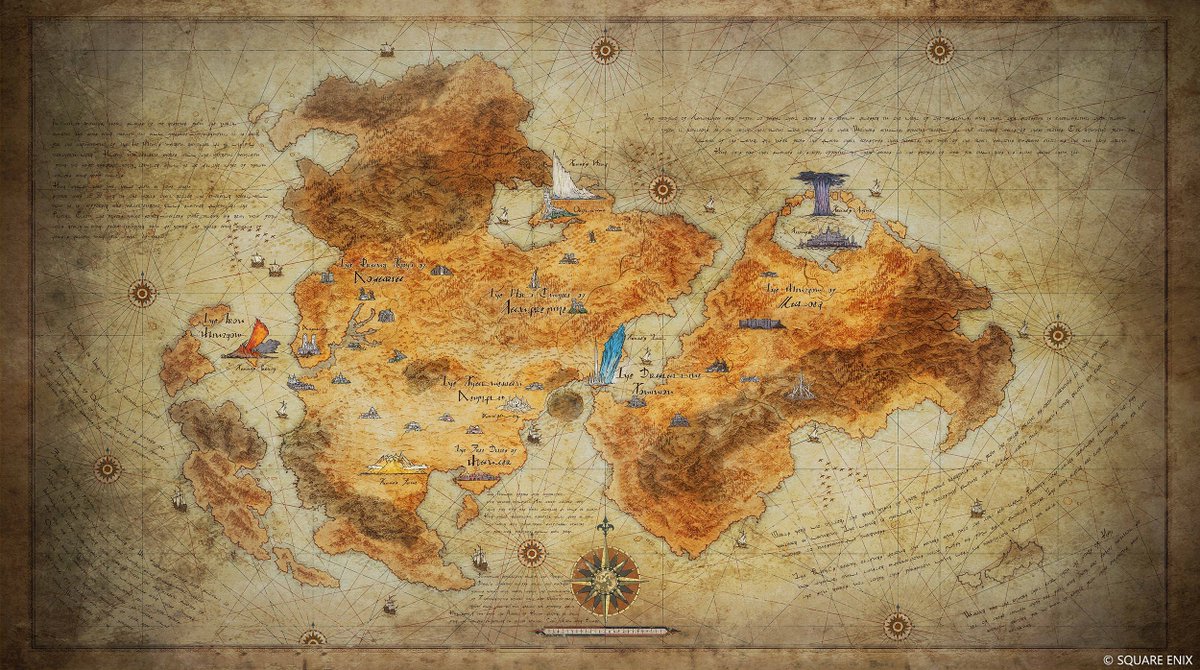
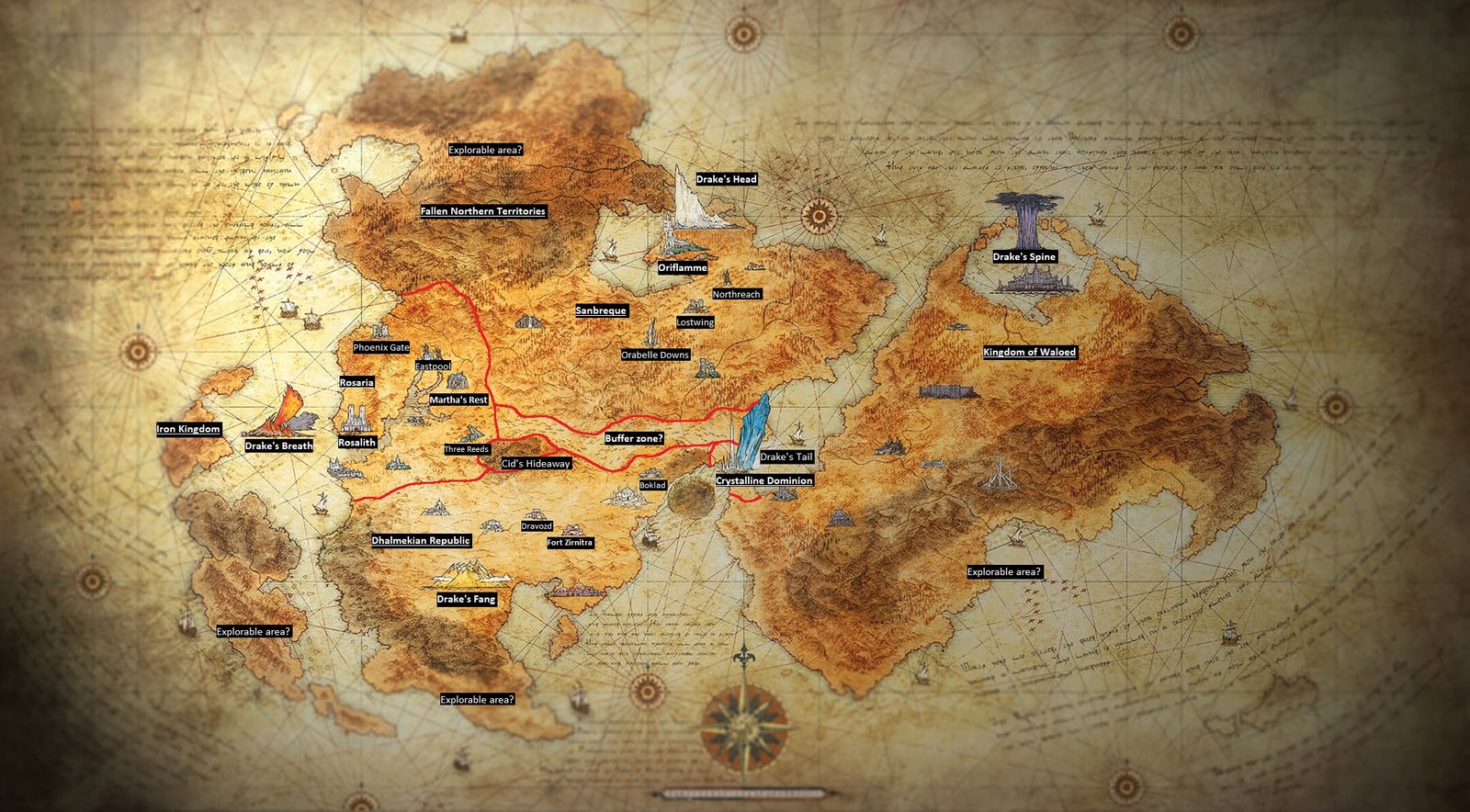
The game takes place in the war-torn continent of Valisthea, a land powered by magical crystals known as Mothercrystals. Kingdoms rely on them for survival — and that dependence leads to betrayal, wars, and tragedy.
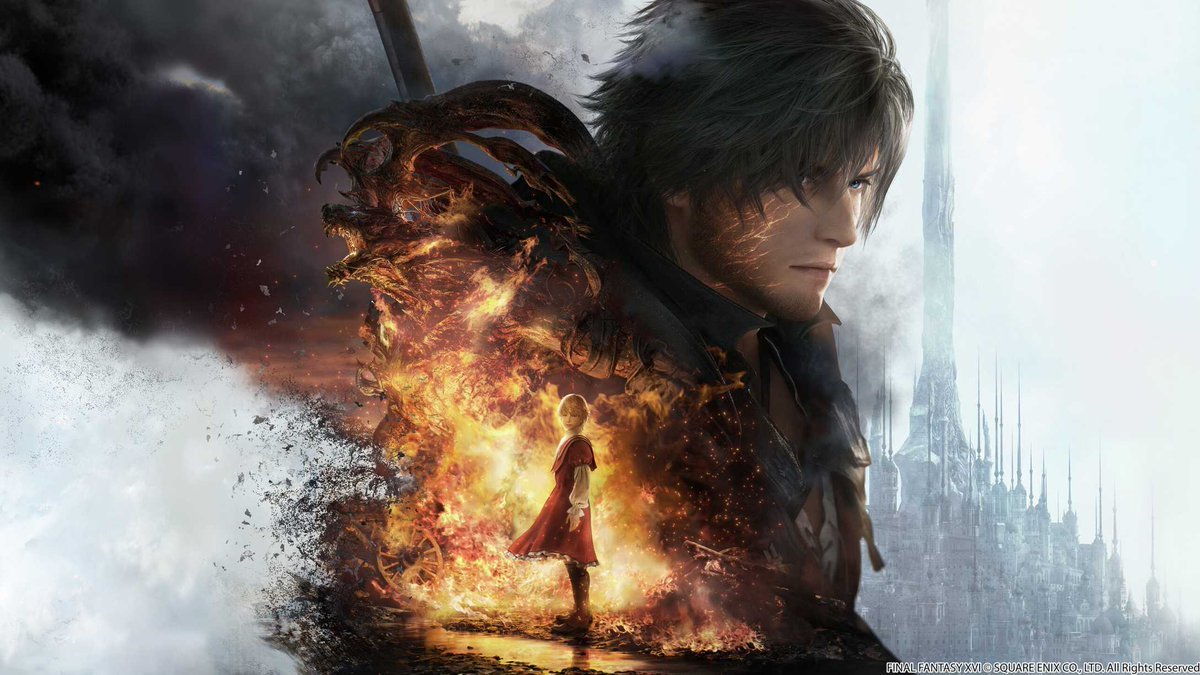
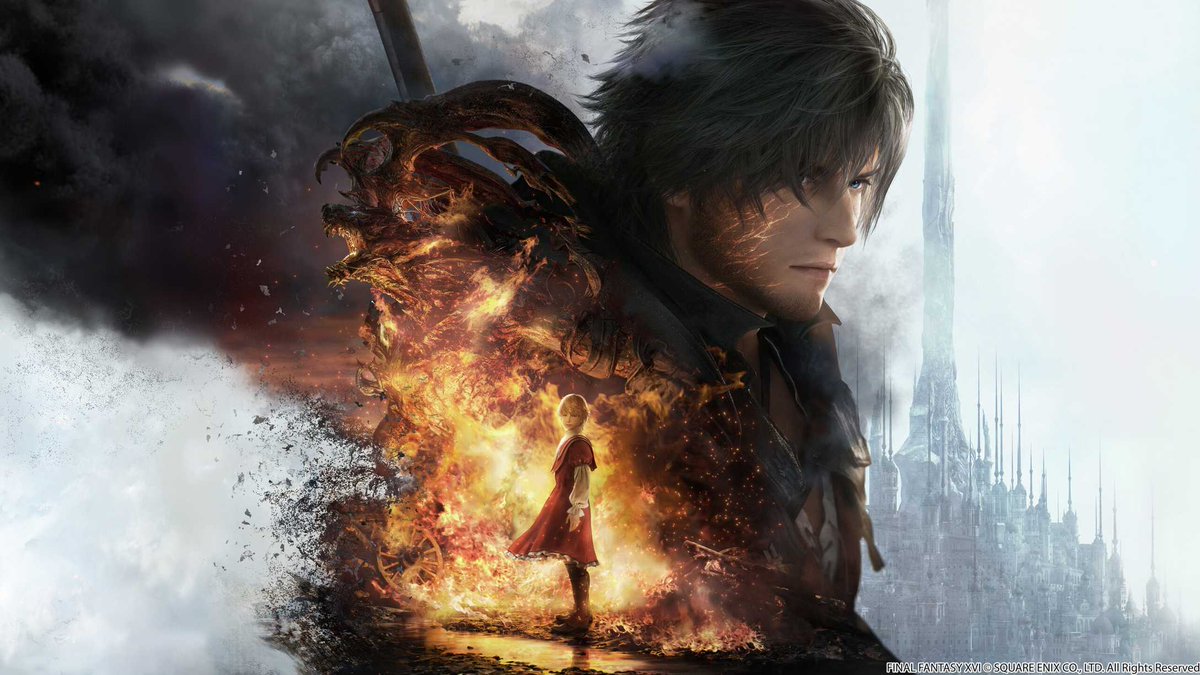
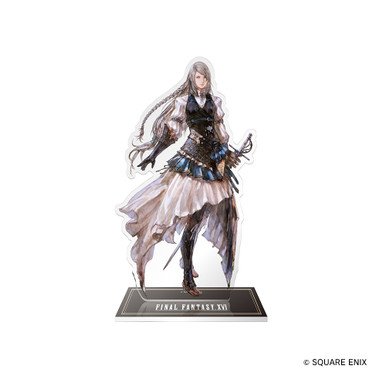
You play as Clive Rosfield, a knight sworn to protect his younger brother Joshua, the Dominant of the Phoenix. What begins as a noble duty quickly becomes a heartbreaking revenge tale that spans many years of Clive’s life.
Unlike previous entries, this story is:
- Political
- Character-driven
- Emotionally heavy
- Focused on consequences
Many players compare its tone to dark fantasy dramas rather than traditional JRPGs. There are no lighthearted adventures here — this is a story about loss, duty, revenge, and ultimately redemption.
What makes it powerful is how personal it feels. Clive isn’t a silent hero or a chosen one by destiny. He is a human being shaped by trauma, guilt, and growth.
Combat That Completely Transforms the Series
Perhaps the biggest change is the battle system.
Traditional Final Fantasy games used turn-based or hybrid combat. Final Fantasy XVI goes full real-time action combat, and it works incredibly well.
The combat director previously worked on high-speed action titles, and you can feel it immediately. Battles are fast, responsive, and skill-based.
Key features:
- Dodge and counter mechanics
- Combo chaining attacks
- Ability cooldown management
- Eikon powers (summon abilities used in real time)
Clive gains powers from Eikons (summons), letting you mix abilities from different ones. For example:
- Phoenix abilities focus on mobility
- Titan focuses on defense and counters
- Garuda excels at aerial combat
Instead of selecting commands from menus, you are actively fighting every second. Yet despite the action focus, the game still feels like an RPG thanks to gear upgrades, skill trees, and character progression.
Eikon Battles: The Most Spectacular Moments in Gaming
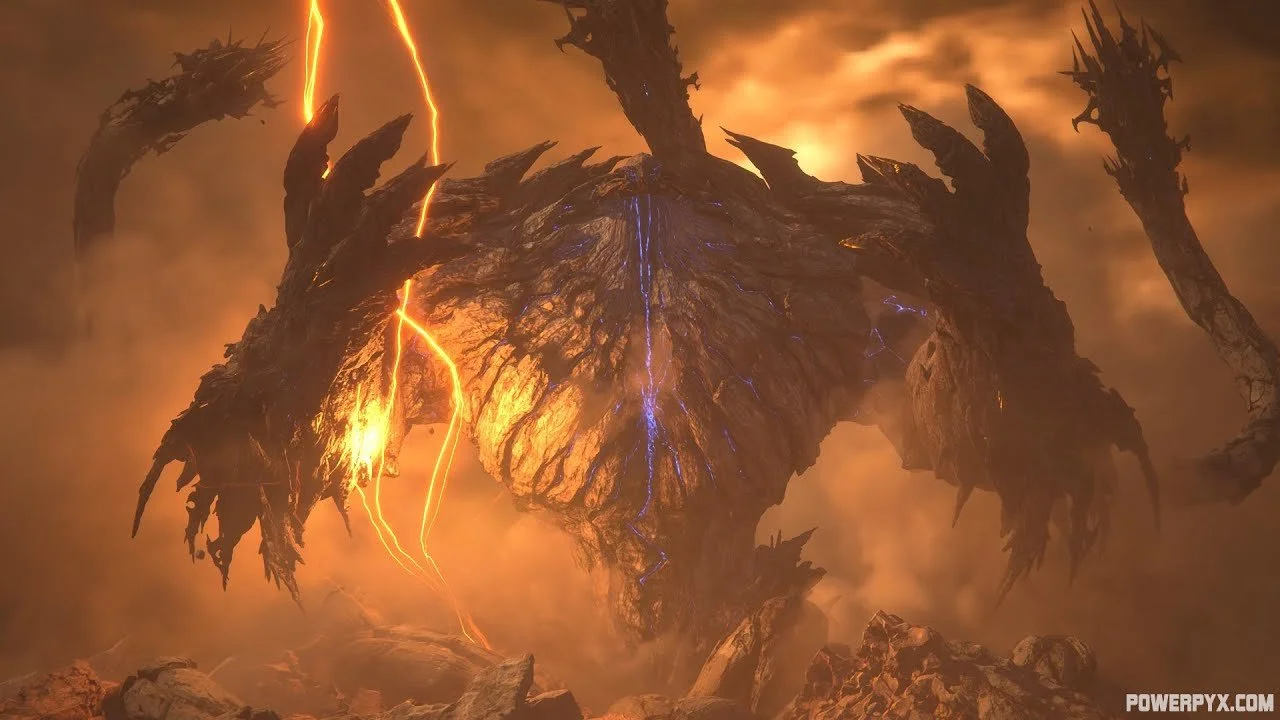
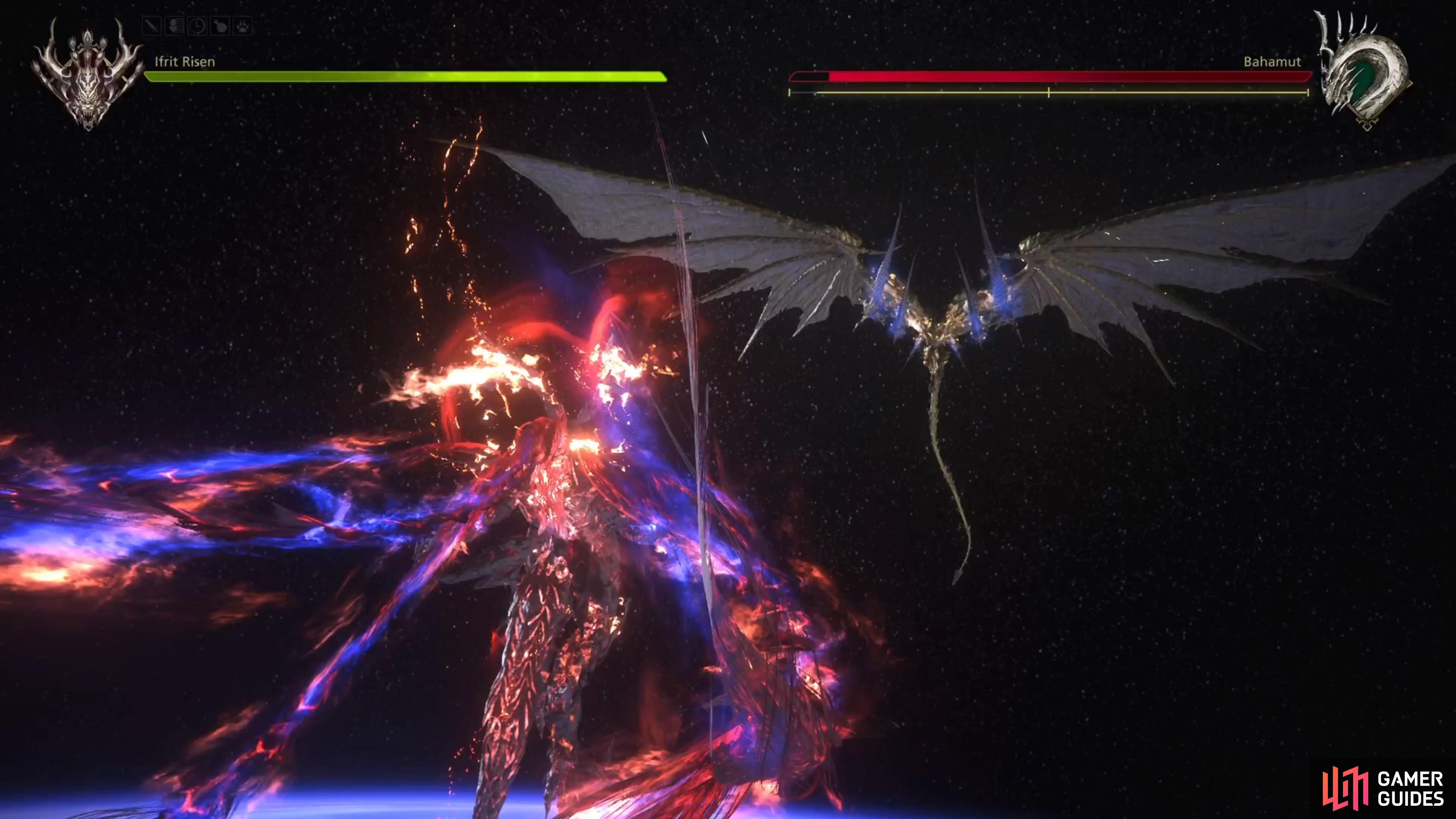

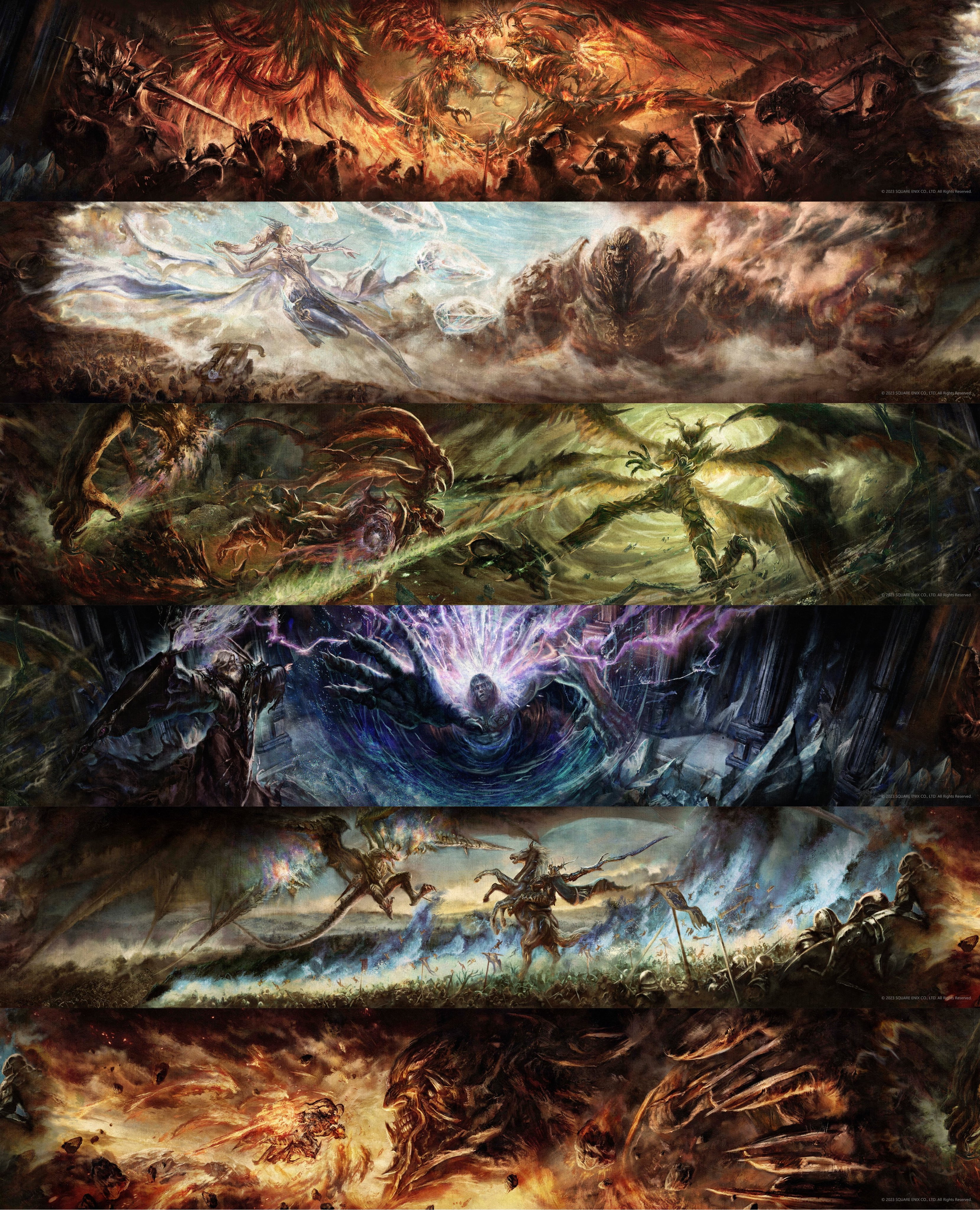
The highlight of the entire experience is the Eikon battles.
Instead of summons appearing briefly, you actually control them in massive cinematic encounters. These fights feel less like RPG battles and more like blockbuster movie scenes mixed with boss fights.
Every Eikon battle changes gameplay:
- One becomes a 3D arena brawler
- Another turns into a shoot-’em-up sequence
- Some feel like kaiju battles
Each encounter escalates in scale, and by the late game the spectacle is unforgettable. These sequences are widely considered among the most impressive boss fights ever designed in an RPG.
A Living World with Deep Lore


Valisthea feels believable because of its history. Every kingdom has:
- Religion
- Politics
- Culture
- Conflicts
The game introduces a brilliant feature called Active Time Lore. At any moment during cutscenes, you can pause and read character backgrounds, faction history, and current events. This makes even complex political moments easy to understand.
Side quests also improve significantly as the game progresses. Early ones are simple, but later quests deepen characters and reveal emotional story arcs that meaningfully impact the ending.
Music, Graphics, and Presentation
No Final Fantasy is complete without memorable music, and this entry delivers some of the best compositions in the series. Orchestral themes shift dynamically during combat and boss fights, enhancing tension and emotion.
Visually, the game pushes modern hardware:
- Detailed character models
- Realistic lighting
- Massive environments
- Seamless cinematic transitions
Cutscenes blend directly into gameplay, making the adventure feel like an interactive movie rather than separate sequences.
Voice acting is also exceptional. Performances bring the characters to life, especially Clive, whose emotional range carries the story.
Strengths and Minor Weaknesses
What the game does best
- Deep emotional storytelling
- Spectacular boss battles
- Fast and satisfying combat
- High production value presentation
What may divide players
- Less traditional party system
- Limited exploration compared to older RPGs
- More action-focused than classic Final Fantasy
Despite these points, the overall experience remains remarkably cohesive.
Why Final Fantasy XVI Matters
Final Fantasy XVI is important because it proves the series can evolve without losing its soul. Instead of repeating past formulas, it modernizes the franchise while keeping what fans love most:
- Powerful characters
- Dramatic storytelling
- Iconic summons
- Memorable music
It’s both a fresh starting point for newcomers and a rewarding experience for longtime fans.
Final Verdict
Final Fantasy XVI is not just a great Final Fantasy game — it is a defining modern RPG.
It successfully blends cinematic storytelling with thrilling gameplay and emotional character arcs. By embracing a mature narrative and real-time combat, the game reestablishes the franchise as one of the most relevant RPG series today.
If you enjoy story-driven adventures, action combat, or epic fantasy worlds, this is a must-play experience.
Rating: 9.5 / 10 — A breathtaking evolution worthy of the Final Fantasy legacy.